Recipes › Drinks
30 Best Juicing Recipes
By Samira Kazan
updated December 19, 2023





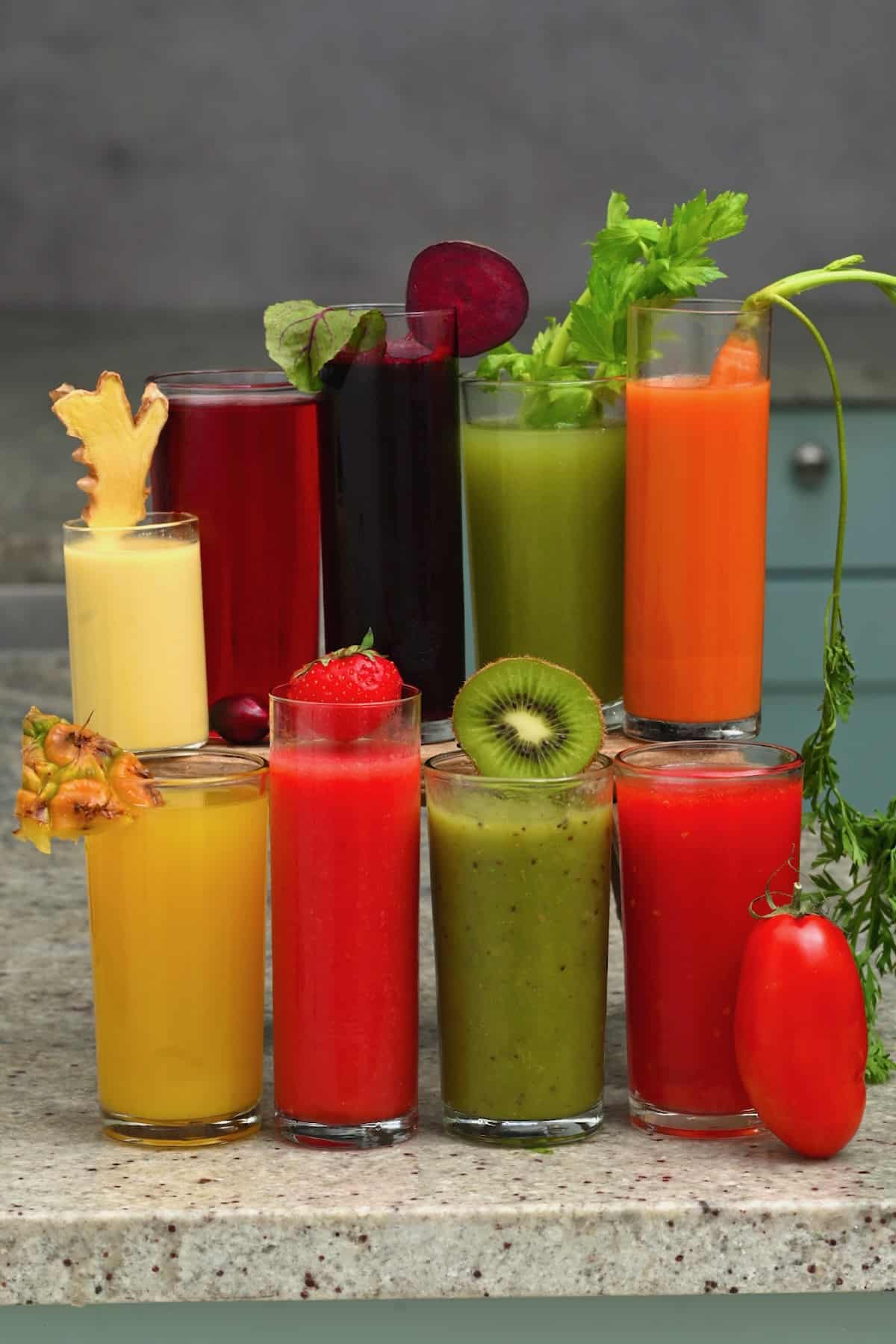
Fresh juice tastes great. Plus, when learning how to juice at home, you can be 100% in control of the ingredients. Even better, you can make many of the juice recipes below with or without a juicer!
Want to save this recipe?
- How to Choose the Right Type of Juicer
- What Are the Best Fruits and Vegetables for Juicing
- What to Do With Leftover Juicing Pulp
- What Are the Best Juicing Recipes
- FAQs
- Top Tips For Juicing
- More Drink Recipes
How to Choose the Right Type of Juicer
Four main types of juicers are available to make fresh juice at home. The best juicer for you usually comes down to budget, space, and how often you juice.
- Centrifugal juicers: These use little teeth on a high-speed spinning basket to grind the ingredients into a pulp, while the high-speed spinning separates the juice from the solids. These machines juice fast, take up minimal space, clean fairly easily, and are the most cost-effective. The speed and spinning, however, can lead to slightly lower quality juice that’s more oxidized (plus more foam). They also don’t juice leafy greens and softer fruits/veggies well and are fairly loud.
- Cold-press juicers (aka masticating juicers): These juicers use force to crush the ingredients and extract the juice through a sharp screen (not a press, regardless of the name). This process is slower but will retain slightly more nutrients and extract more juice than centrifugal ones. They can also juice greens like spinach/kale and wheatgrass easier. They are, however, more expensive, bulkier, and harder to clean and the juice is still fairly foamy. For many years, I’ve happily been using a juicer like this .
- Twin gear juicers (aka triturating juicers): These use two gears that spin and pull the produce, extracting the juice by pushing the pulp through a screen. This method extracts more nutrients than the above two. Also, this machine is quiet and can make various other DIYs like nut butter and baby food. But it is slow, bulky, and fairly expensive, and the juice will contain higher amounts of pulp.
- Juice press: This is the best type of juicer you can buy. It grins the produce into a pulp, then slowly extracts the juice with a press that uses thousands of lbs. of pressure. This machine extracts the most juice (leaving less than 1% pulp) and nutrients and creates little foam and oxidization. It also creates the longest shelf life juice and easily juices leafy greens and soft fruit. However, it’s also the most expensive and primarily used commercially.
What Are the Best Fruits and Vegetables for Juicing
Most fruits and veggies are juicer recipes friendly. However, the type of juicer machine you have might be more suited for harder veggies and have issues with softer ingredients like leafy greens (spinach, kale, wheatgrass, etc.).
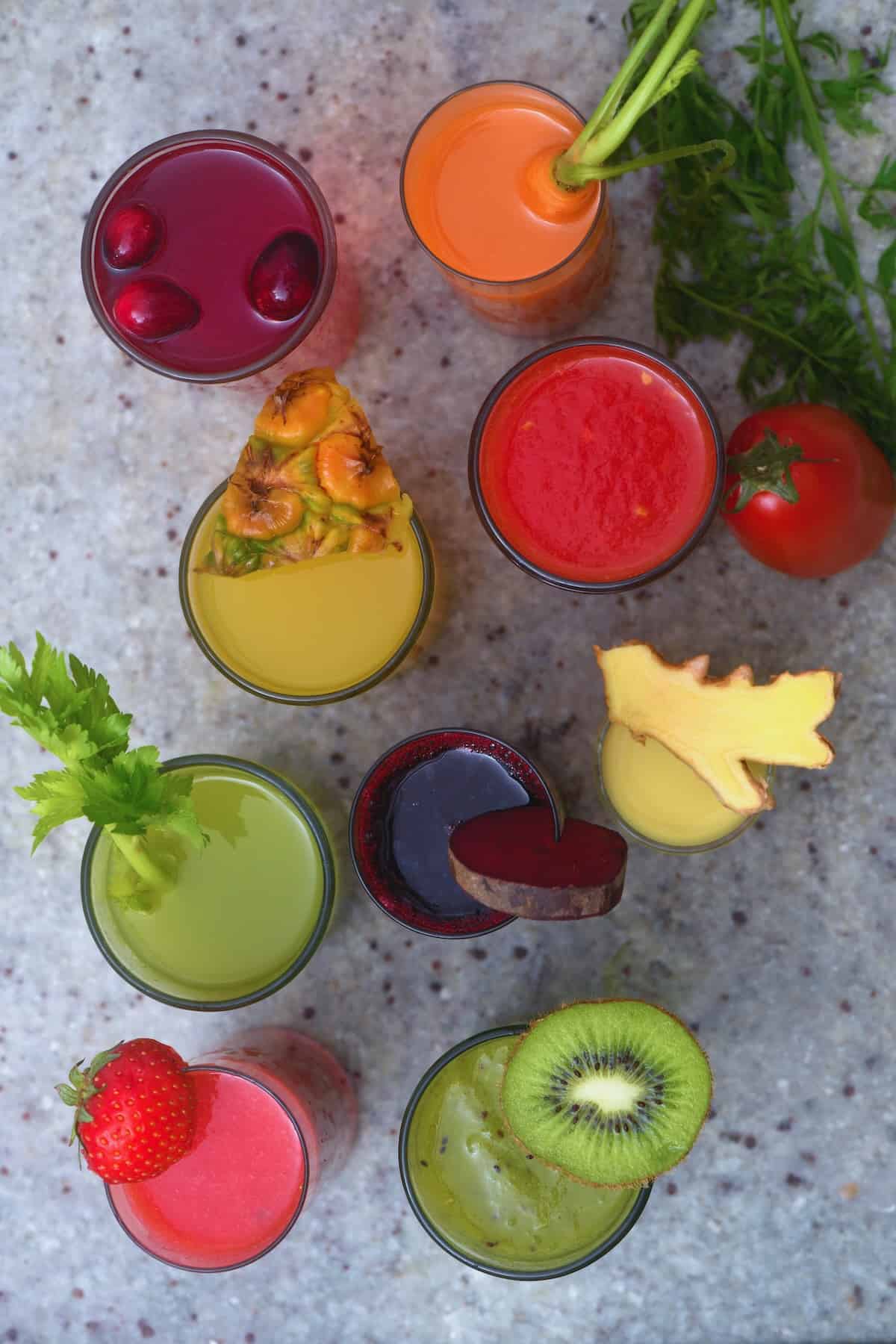
Some of my favorite fruits and vegetables to juice include apples, beets, carrots, cucumber, citrus fruits, celery, sweet potatoes, and bell peppers. I also love adding leafy greens to my juice recipes once or twice a week. They shouldn’t be consumed in large amounts. Aromatic roots and fresh herbs (like ginger, mint, parsley, etc.) add more flavor.
What Fruits and Vegetables You Should Not Juice
There are several things you definitely shouldn’t juice. Usually, these are low on moisture or particularly hard/soft. These include bananas (too soft and not enough juice), figs (wrong consistency), rhubarb (too fibrous), avocado (not enough juice), and coconut (too hard/tough, though I made coconut cream using a juicer). All of these are better left to smoothies.
Some ingredients are difficult to juice but will work when making blender juice or using alternate juicing methods. This includes softer fruits like mango, pineapple, peaches, papaya, and many berries. Berries do juice but may be harder to separate from their pulp, and you need a lot to yield a small amount of juice.
Avoid juicing too much of any raw cruciferous veggie, too (like broccoli and cabbage), as overconsumption can lead to bloating, gas, and cramping. Likewise, dark leafy greens like kale and spinach should be consumed in moderation, as they can cause kidney stones and inhibit iron and vitamin C absorption when eaten in high quantities.
What to Do With Leftover Juicing Pulp
While this pulp may not look super appetizing, most of the time it’s perfectly edible. Instead, add it to smoothies, soups, stews, baked goods (muffins, quick breads, and bread), etc. You can also dry it out into crackers or dehydrate it and grind it into a powder to add to recipes for extra fiber.
If you don’t want to use it immediately, pop it into an ice cube tray and add a cube or two directly into smoothies/soups, etc.
What Are the Best Juicing Recipes
Below are the best juice recipes to get you started. Some are for natural juice with a single ingredient, others are a fruit and vegetable juice recipe blend. There are juice recipes for juicer, blender, and other juicing methods.
Beet Juice Recipe

Homemade Orange Juice

Grapefruit Juice Recipe

Homemade Cranberry Juice
Aloe Vera Juice Recipe

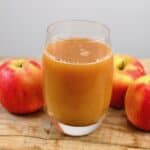
Homemade Apple Juice
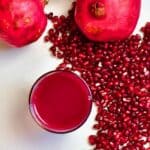
Pomegranate Juice Recipe
Homemade Pineapple Juice

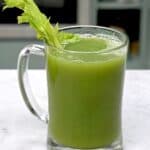
Celery Juice Recipe(Simple Green Juice)
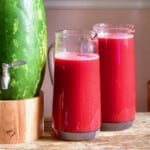
Homemade Watermelon Juice
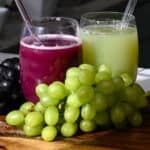
Grape Juice Recipe
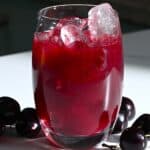
Cherry Juice Recipe
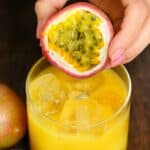
Passion Fruit Juice Recipe
Homemade Mango Juice

Tomato Juice Recipe
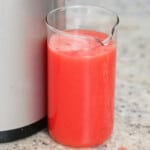
Homemade Carrot Juice
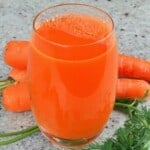
Homemade Lime Juice
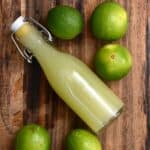
Fresh Ginger Juice Recipe
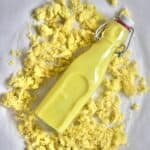
Wheatgrass Shots and Juice Recipe
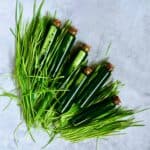
Strawberry Juice Recipe

Homemade Cucumber Juice
Kiwi Juice Recipe
Pineapple Orange Juice Recipe

Homemade Turmeric Juice

Homemade Lemon Juice
Reduce waste by zesting all the lemons (or limes, oranges) before juicing them and storing the zest in the freezer!
Pineapple Ginger Juice Recipe
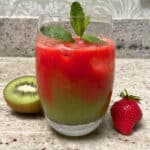
Strawberry Kiwi Juice Recipe
Carrot Ginger Juice Recipe

Homemade Peach Juice

Ginger Turmeric Shots Recipe

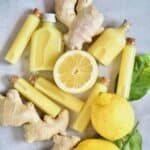
Ginger Shots
Orange Juice with Ginger

I don’t recommend it, as the liquid is frozen. Stick to using frozen ingredients for smoothies and thaw your fruits before juicing them.
The fresh juice will begin losing its nutrients as quickly as 15 minutes after juicing. So it’s best to consume it immediately or place it immediately in the fridge for up to 24 hours. Juice press juice will last closer to 3-5 days in the fridge.
Top Tips For Juicing
- Start off slow . If you’re new to juicing, it can help to dilute the fresh juice with water to avoid stomach upset. Or start will lower amounts and build your way up.
- When to peel fruits : While most juicers will technically work to grind the rind of citrus fruits, it can lead to bitter juice and stomach upset. Likewise, remove any other tough rinds/peels like kiwi and mango peel, pineapple peel, pomegranate peel, etc.
- For maximum nutrient absorption : Only make enough juice to consume immediately. If you have leftovers, freeze them immediately.
- Experiment with ingredient variations : Not only will you find new favorite blends, but this ensures you’ll consume various nutrients. It’s also good to consume fresh juices with veggies primarily (80/20 ratio) to avoid overconsumption of sugar.
- For added volume : High-water ingredients like cucumber and celery are great for adding volume to fruit and veggie juice recipes.
- Drink on an empty stomach : This will ensure the nutrients are absorbed as quickly as possible.
More Drink Recipes
- Flavored Water Recipes
- Coconut Water Chia Seed Drink
- How to Make Lemon Water
- How To Make Ginger Tea
- Pineapple Skin Tea
