Ingredient Guides
How to Dry Oregano (3 Methods)
By Samira Kazan
updated April 10, 2025
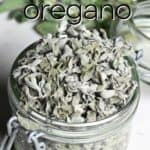
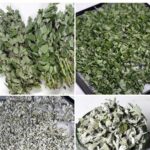
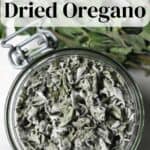
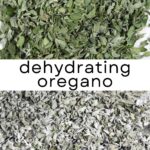
How to dry oregano at home with one of 3 methods: dehydrator, oven, or air drying – so you never run out when needed. Plus, how to store and use dried oregano to add flavor to your dishes.
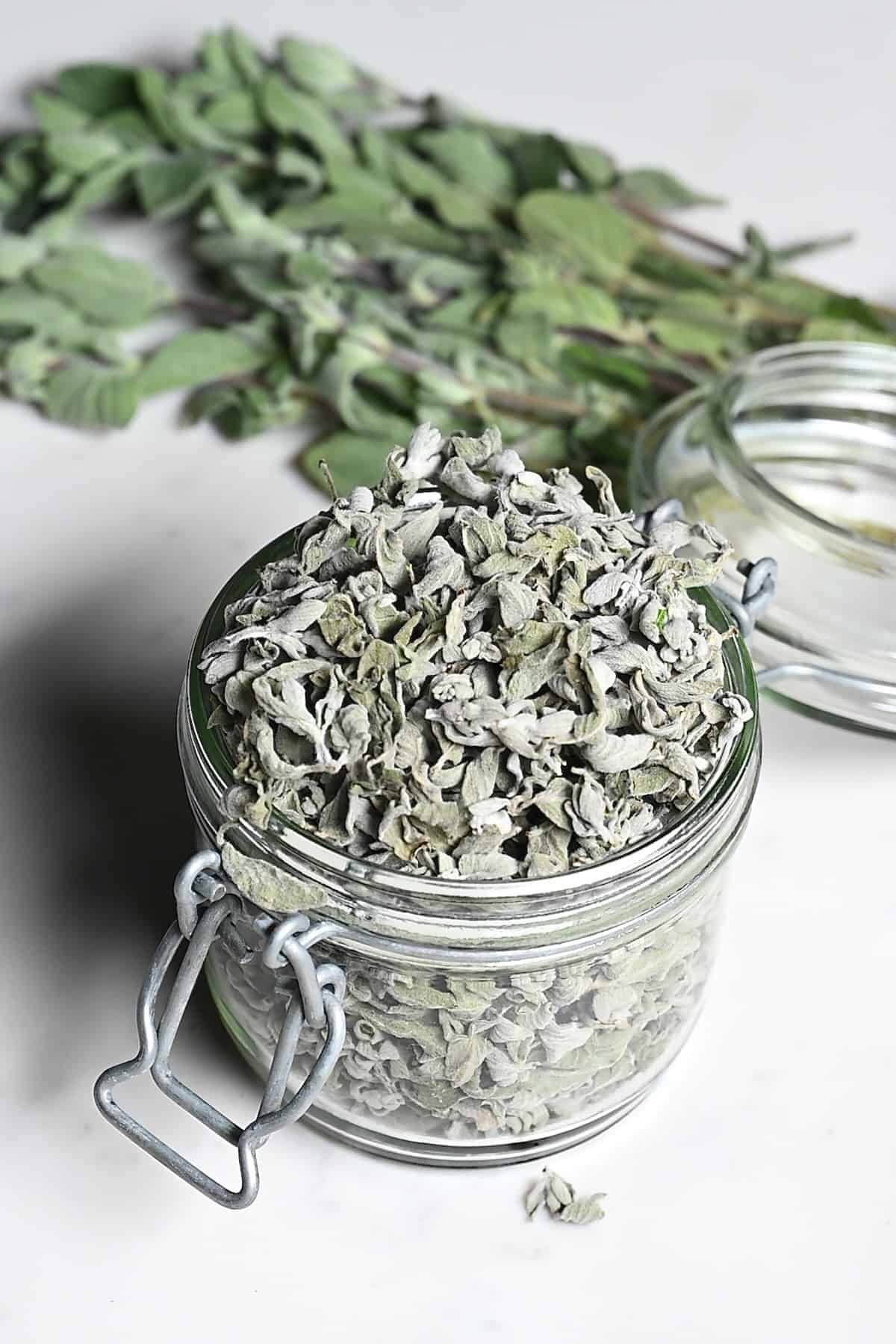
Oregano is one of my favorite herbs (hello, Za’atar !). It has a delightful aroma and distinct robust, earthy flavor that make it a popular ingredient in many cuisines. It’s great at enhancing the taste of various dishes.
But have you ever bought an oregano plant and then have not been able to use all the fresh leaves before they wilt? Or have you ever reached for that store-bought jar with dried oregano only to find out it’s lost all its potent aroma?
It’s happened to me too. That’s why I started dehydrating my herbs – not only can I preserve them for longer but I can save up by not buying any more spices jars from the grocery store. So let me show you how to turn fresh oregano to dried at home.
Want to save this recipe?
- How to Dry Oregano
- How to Use Dried Oregano
- How to Store Dried Oregano
- Dried Oregano vs Ground Oregano
- FAQs
- Other Herbs You Can Dry at Home
- How to Dry Oregano (3 Methods) Recipe
How to Dry Oregano
Start by harvesting fresh oregano sprigs – the fresher they are, the longer the dried ones will last.
Then remove the leaves from the stems (unless you are air drying the herb – then keep them whole). To remove the leaves, hold the stem near the top and use your fingers or kitchen shears to slide down the stem in the opposite direction of leaf growth. Apply a bit of pressure as your fingers slide down and the leaves will separate from the stem.
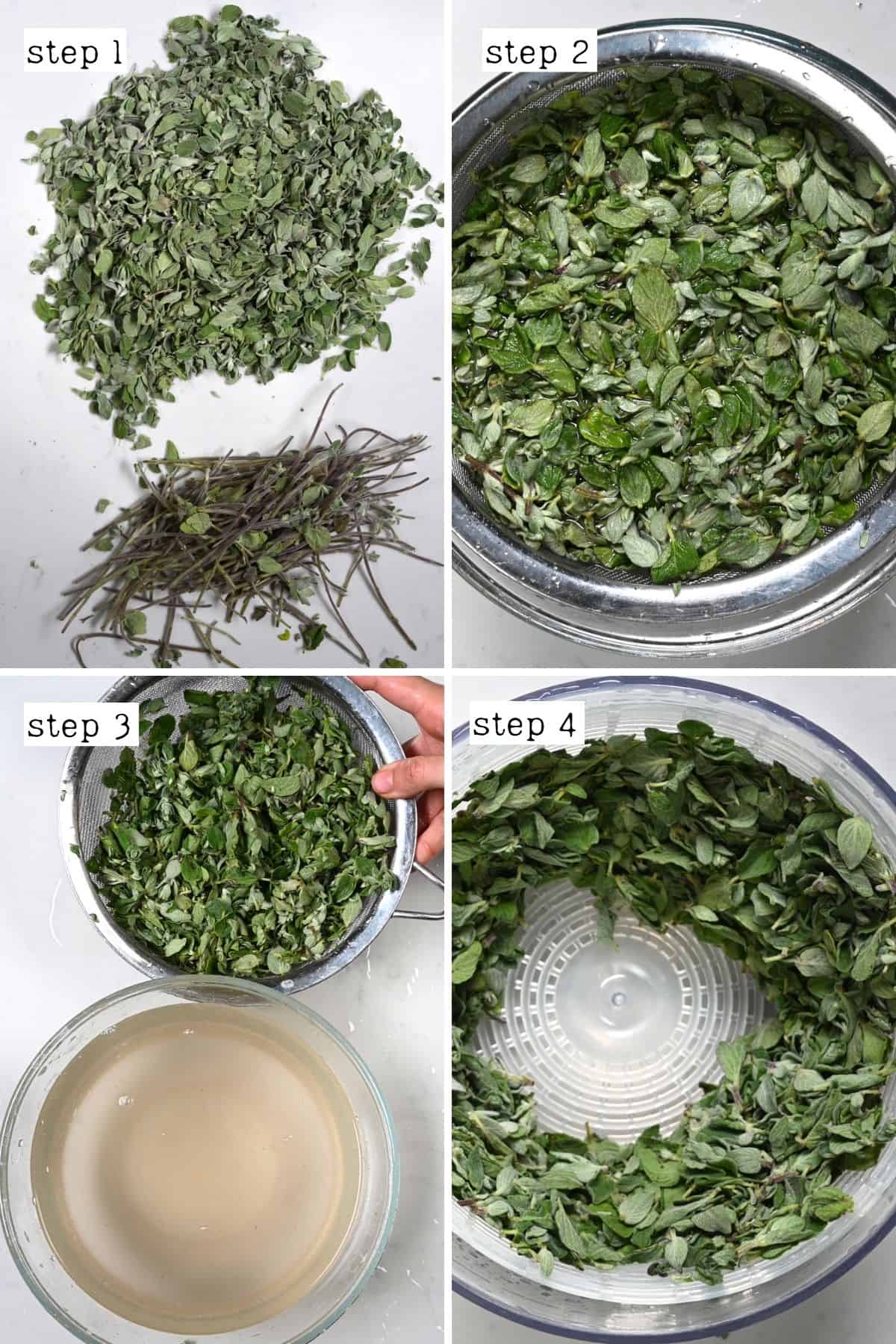
Rinse the leaves well – this is essential as lots of dust can stay on them. Then use a salad spinner or pat them dry with a kitchen towel or paper towel. It’s best to remove as much moisture as possible.
Next, choose your drying process – in a dehydrator, in the oven, or air drying.
In a Dehydrator
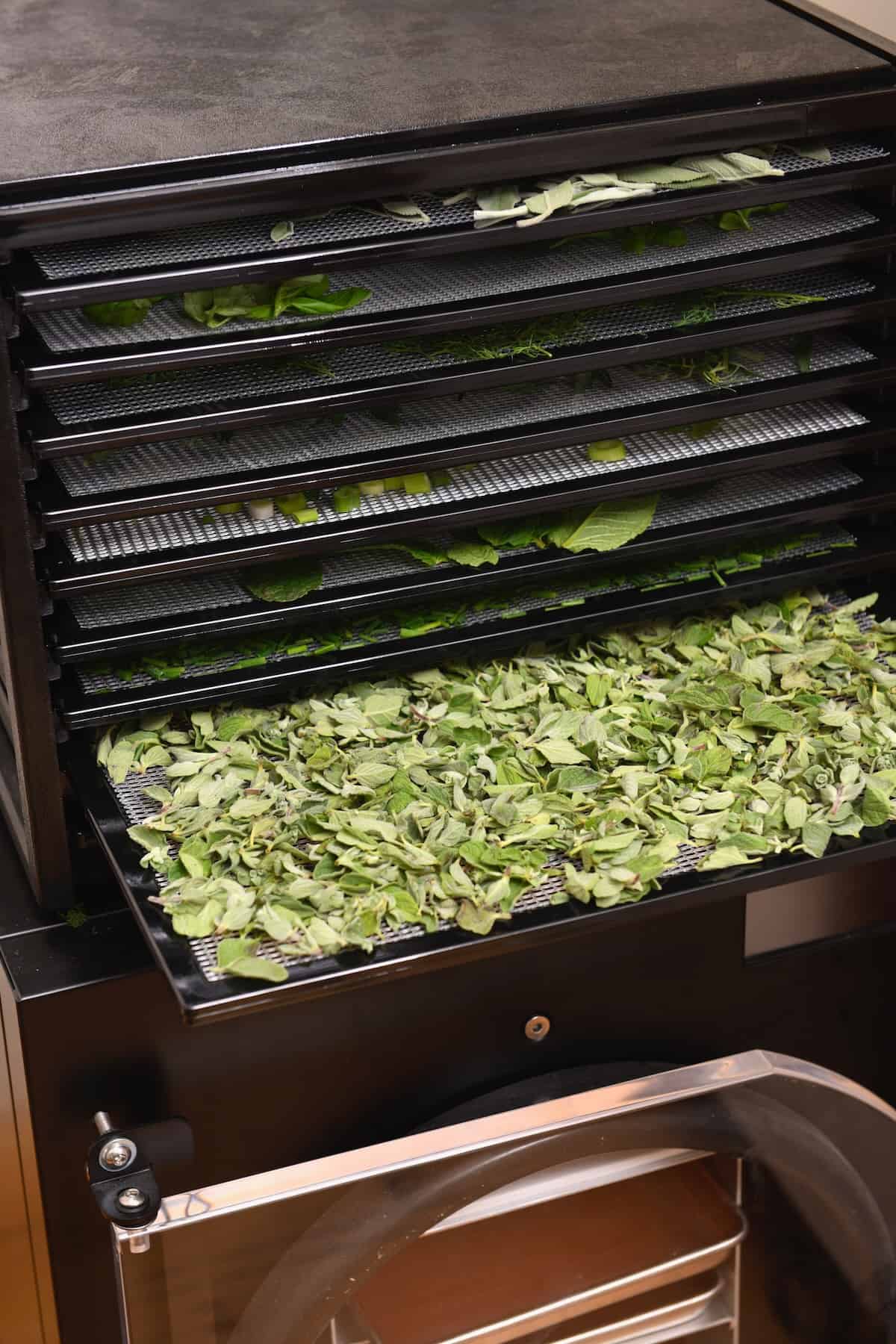
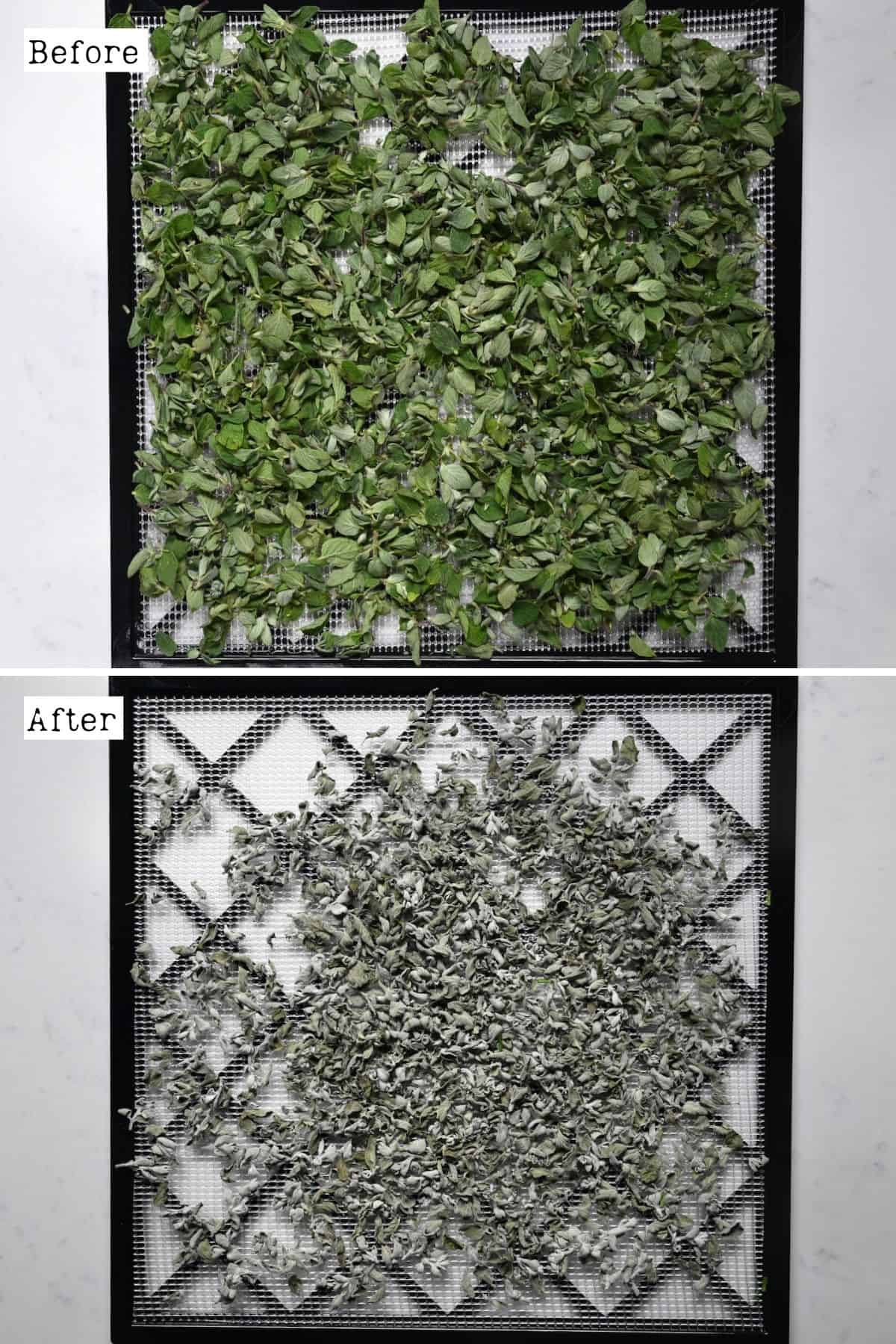
To use a dehydrator, place the leaves on a dehydrator tray in a single layer and set the temperature to 105ºF/40°C. Allow them to dry for 1-3 hours, or until the leaves are dry and brittle.
Check them after 1.5 hours. If they feel dry and crumble easily between your fingers, they have dried enough. If not, keep them in for longer, checking regularly (every 20-30 minutes).
In the Oven
You can also dry oregano in the oven. Spread the leaves in a single layer on a baking sheet/s covered with parchment paper. Place them in the center of the oven for about 1 hour at 165ºF/75ºC (or the lowest temperature setting of your oven). It’s best to keep the door propped oven with a wooden spoon to allow air circulation.
Also, keep an eye on the herbs so they don’t burn. Check on the leaves at around 30-45 minutes. If they feel dry and crumble easily, they should be done. If not, keep them in the oven for a bit longer, checking them every 5-10 minutes.
If your oven can go down to 105ºF/40ºC, the oven drying total time will be 1-3 hours, the same as the food dehydrator method above.
Air Drying
Air drying oregano is the easiest and most cost-effective. And can be a fun activity to do with the kids. For this method, I recommend using some paper bags, though they are not necessary.
Make a small bundle of oregano sprigs (large amounts are more likely to go moldy) and tie them with twine or a rubber band. Punch a few holes on the sides of the bag and add the bundle inside and seal the bag.
Finally, hang the bundle upside down in a well-ventilated area, away from direct sunlight. The air-drying method will take about 1-2 weeks – the dried oregano leaves are ready when they crumble easily. Also, when using a paper bag, any leaves and seeds that fall off will be caught in the bag.
Note: Even if you don’t have paper bags available, you can still air-dry the oregano bundle. Simply hang it upside down in a well-ventilated area away from direct sunlight. The paper bag offers a layer of protection from dust, dirt, and insects while the holes allow for air circulation. Plus, it helps to collect any loose leaves and seeds.
How to Use Dried Oregano
This dried herb is a great way to add some extra flavor to your favorite meals. Here are some of my favorite ways to use it:
- Making traditional Lebanese Za’atar – it’s an earthy, herby, savory spice blend that’s great for many dishes.
- You can add it to homemade spice blends and meat rubs.
- Oregano is often associated with Italian dishes – so I love adding it to pizza, pasta, and more as it enhances the overall savory profile of these dishes.
- Use it to enhance the flavor of soups , salads, egg dishes, and meats .
- You can even make oregano tea.
How to Store Dried Oregano
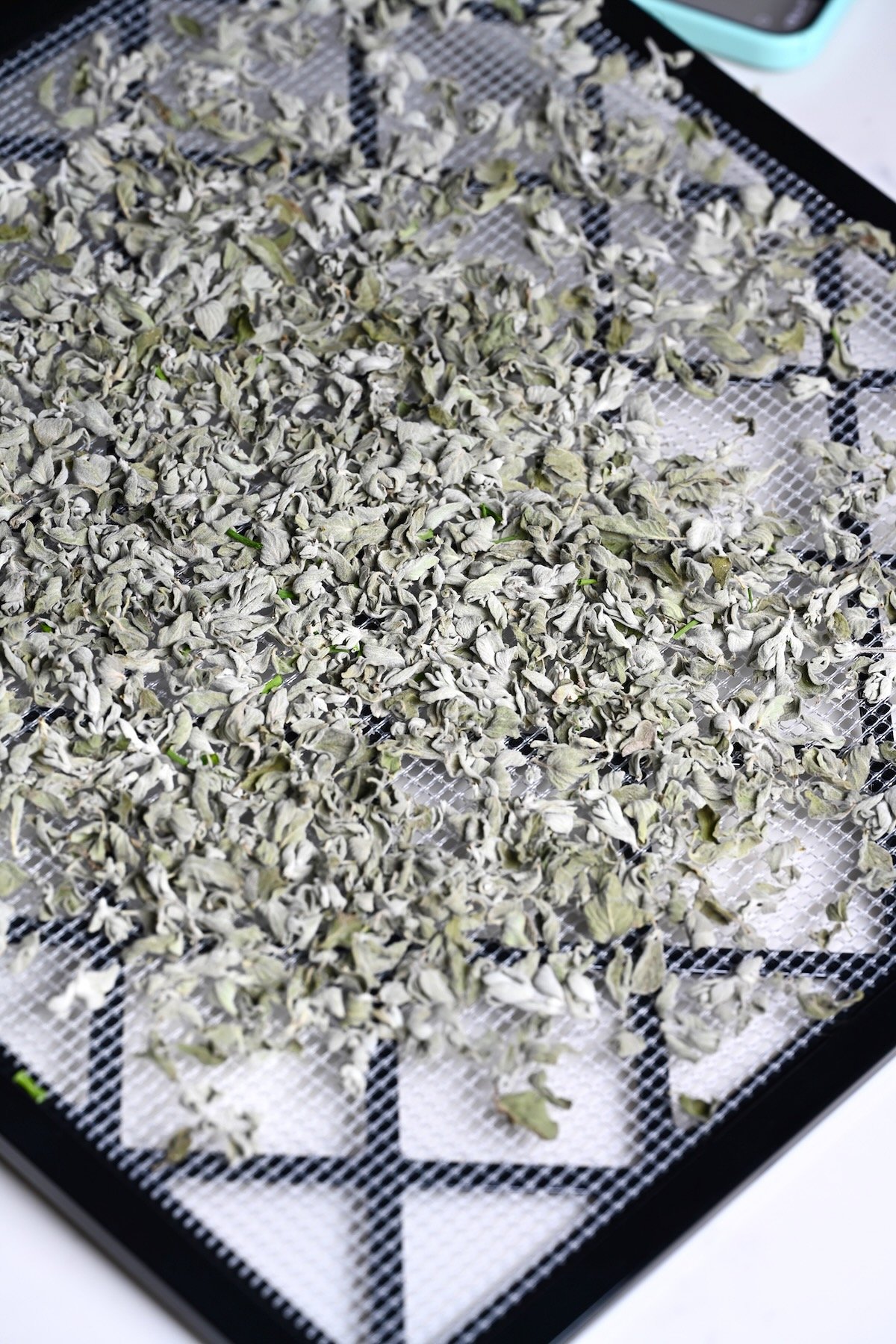
Once dried, allow the oregano to cool entirely. Transfer the leaves to a clean, airtight container (glass jar or mason jar). Then store it in a cool, dark location (pantry/cupboard) for up to a year.
Chef’s Tip: You can store the dried leaves whole, crumble them by hand, or grind them into powder.
Dried Oregano vs Ground Oregano
Dried oregano and ground oregano are essentially the same – oregano leaves that have been dehydrated – but they differ in the following:
- Dried oregano is the leaves either whole or a little crumbled, while ground oregano has been turned into a powder.
- Ground oregano usually has a more intense flavor than crumbled leaves. The dried leaves work great in dishes where you want to enjoy the taste without it becoming overpowering. The ground powder works well when you want a more concentrated flavor, like in sauces or stews.
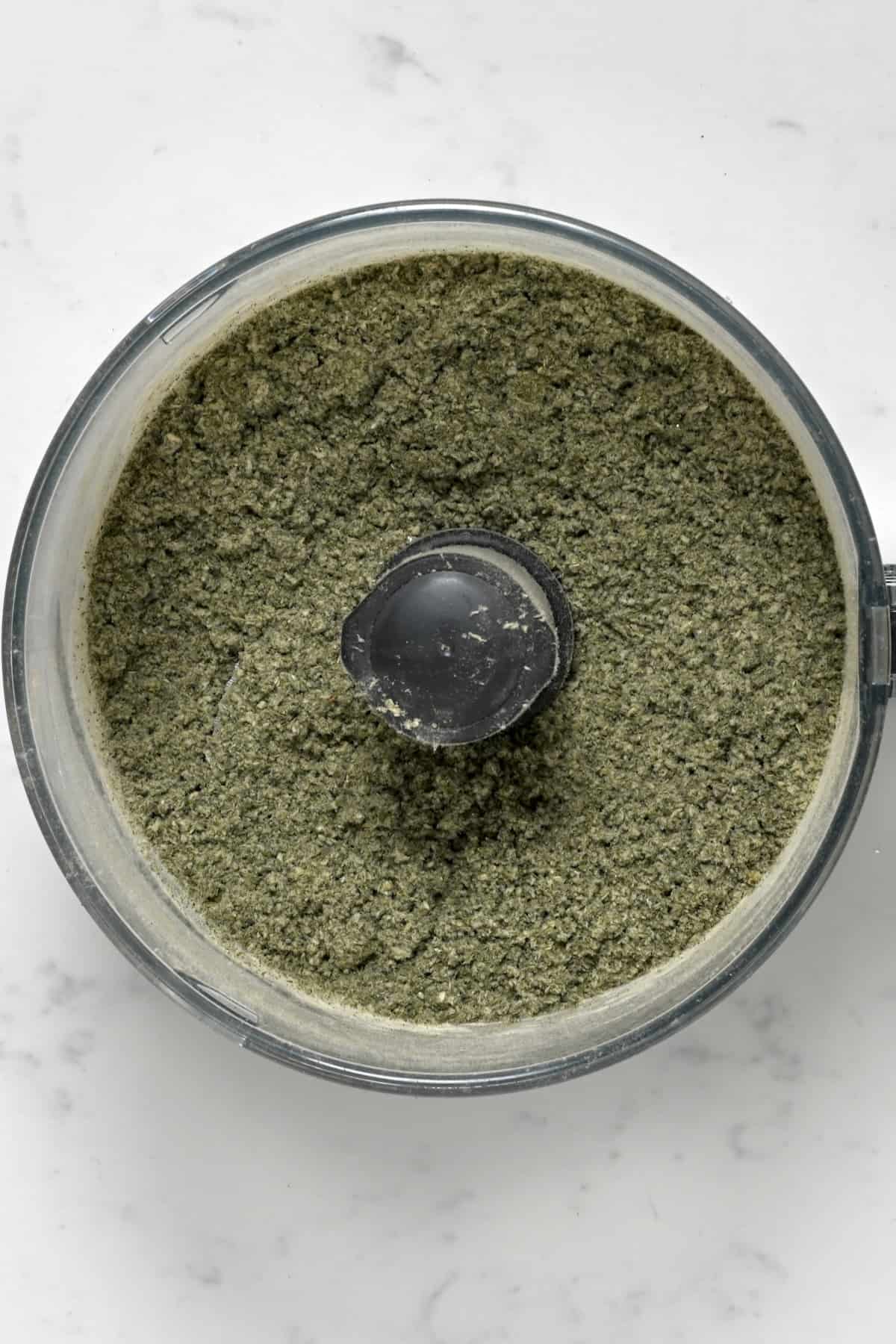
You can make oregano powder by grinding your dried leaves with a coffee/spice grinder or food processor.
Dried oregano is a staple in Mediterranean and Italian cooking, but it’s not always easy to find fresh oregano. If you’re looking for a substitute, try marjoram or basil. Both have similar flavors to dried oregano.
As a general guideline, you need approximately 1/3 of the amount of dried compared to fresh oregano. This is because the dried herb has a more concentrated flavor. So, if a recipe calls for 1 Tbsp of fresh oregano, you can substitute it with 1 tsp of dried oregano. However, I recommend doing a taste test and adjusting to your liking.
Other Herbs You Can Dry at Home
- How to Dry Dill
- Dried Basil Leaves
- Dried Sage Leaves
- How to Dry Parsley
- Dried Rosemary
- How to Dry Chives
Equipment
- Dehydrator or oven
- Magnetic Spice Tins
IngredientsUS CustomaryMetric1x2x3x
- ▢ 4.6 oz oregano or as much as wanted
This will yield about0.8 oz/22 gof dried oregano
Instructions
- Harvest oregano sprigs – the fresher they are, the longer the dried ones will last. Then remove the leaves from the stems (unless you are air drying the herb – then keep them whole). To remove the leaves, hold the stem near the top and use your fingers or kitchen shears to slide down the stem in the opposite direction of leaf growth. Apply a bit of pressure as your fingers slide down and the leaves will separate from the stem.
- Rinse the leaves well – this is essential as lots of dust can stay on them. Then use a salad spinner or pat them dry with a kitchen towel or paper towel. It’s best to remove as much moisture as possible. Next, choose your drying process.
Using a Dehydrator
- Place the leaves on a dehydrator tray in a single layer and set the temperature to 105ºF/40°C. Allow them to dry for 1-3 hours or until the leaves are dry and brittle. Check them after 1.5 hours. If they feel dry and crumble easily between your fingers, they have dried enough. If not, keep them in for longer, checking regularly (every 20-30 minutes).
Using an Oven
- Spread the leaves in a single layer on a baking sheet/s covered with parchment paper. Place them in the center of the oven for about 1 hour at 165ºF/75ºC (or the lowest temperature setting of your oven). It’s best to keep the door propped oven with a wooden spoon to allow air circulation. Check on the leaves after around 30-45 minutes. If they feel dry and crumble easily, they should be done. If not, keep them in the oven for a bit longer, checking them every 5-10 minutes. If your oven can go down to 105ºF/40ºC, the drying time will be 1-3 hours, the same as the dehydrator method above.
Air Drying
- For this method, I recommend using some paper bags, though they are not necessary. Make a small bundle of oregano sprigs (large amounts are more likely to go moldy) and tie them with twine or a rubber band. Punch a few holes on the sides of the bag and add the bundle inside and seal the bag.
- Hang the bundle upside down in a well-ventilated area, away from direct sunlight. The air-drying method will take about 1-2 weeks – the leaves are ready when they crumble easily. Also, when using a paper bag, any leaves and seeds that fall off will be caught in the bag.
Notes
Nutrition
Nutrition information is automatically calculated, so should only be used as an approximation.
How to Dry Oregano (3 Methods)
Equipment
- Dehydrator or oven
- Magnetic Spice Tins
Ingredients
- 4.6 oz oregano or as much as wanted
This will yield about0.8 oz/22 gof dried oregano
Instructions
- Harvest oregano sprigs - the fresher they are, the longer the dried ones will last. Then remove the leaves from the stems (unless you are air drying the herb - then keep them whole). To remove the leaves, hold the stem near the top and use your fingers or kitchen shears to slide down the stem in the opposite direction of leaf growth. Apply a bit of pressure as your fingers slide down and the leaves will separate from the stem.
- Rinse the leaves well - this is essential as lots of dust can stay on them. Then use a salad spinner or pat them dry with a kitchen towel or paper towel. It’s best to remove as much moisture as possible. Next, choose your drying process.
Using a Dehydrator
- Place the leaves on a dehydrator tray in a single layer and set the temperature to 105ºF/40°C. Allow them to dry for 1-3 hours or until the leaves are dry and brittle. Check them after 1.5 hours. If they feel dry and crumble easily between your fingers, they have dried enough. If not, keep them in for longer, checking regularly (every 20-30 minutes).
Using an Oven
- Spread the leaves in a single layer on a baking sheet/s covered with parchment paper. Place them in the center of the oven for about 1 hour at 165ºF/75ºC (or the lowest temperature setting of your oven). It’s best to keep the door propped oven with a wooden spoon to allow air circulation. Check on the leaves after around 30-45 minutes. If they feel dry and crumble easily, they should be done. If not, keep them in the oven for a bit longer, checking them every 5-10 minutes. If your oven can go down to 105ºF/40ºC, the drying time will be 1-3 hours, the same as the dehydrator method above.
Air Drying
- For this method, I recommend using some paper bags, though they are not necessary. Make a small bundle of oregano sprigs (large amounts are more likely to go moldy) and tie them with twine or a rubber band. Punch a few holes on the sides of the bag and add the bundle inside and seal the bag.
- Hang the bundle upside down in a well-ventilated area, away from direct sunlight. The air-drying method will take about 1-2 weeks - the leaves are ready when they crumble easily. Also, when using a paper bag, any leaves and seeds that fall off will be caught in the bag.
Notes
Nutrition
Recipe on Alphafoodie: https://www.alphafoodie.com/how-to-dry-oregano/
