Pantry
Pomegranate Molasses Recipe (Classic + Sugar-Free)
By Samira Kazan
published February 06, 2026
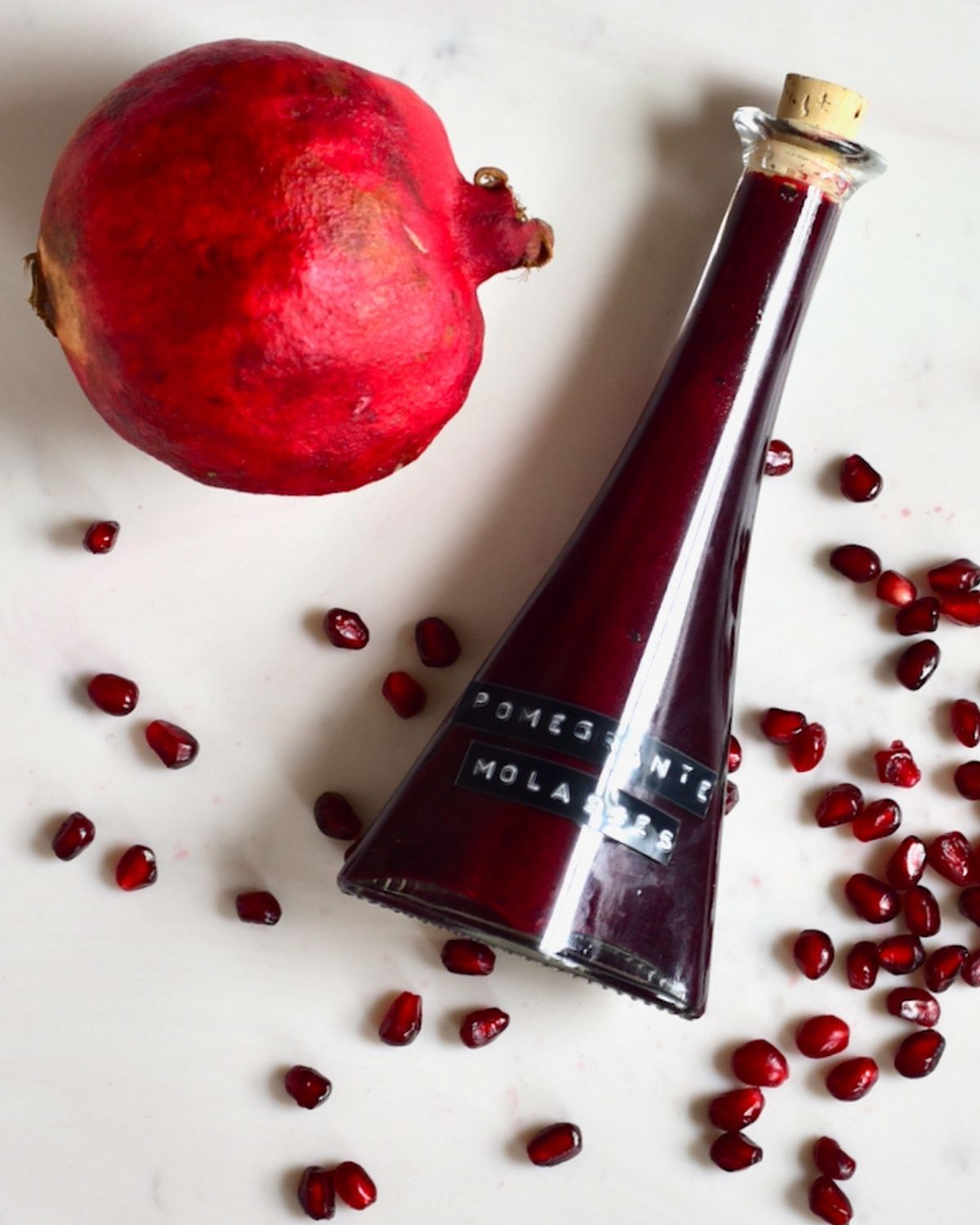
Pomegranate molasses is a thick, glossy syrup made by reducing pomegranate juice until concentrated. It’s a staple across Middle Eastern cooking (including Lebanese cuisine) and adds an instantly bold sweet-tart note to dressings, marinades, dips, roasted vegetables, and even desserts.
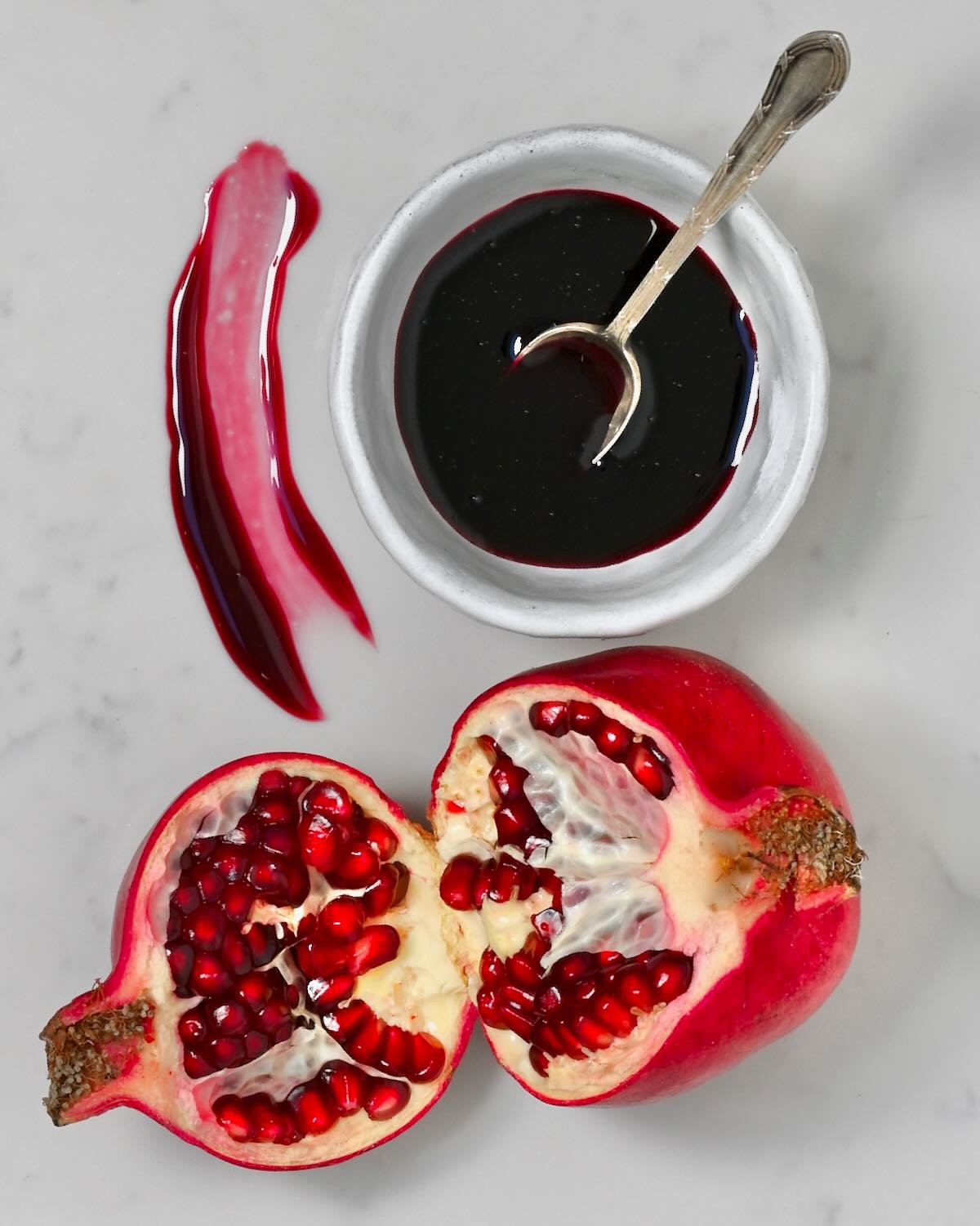
In this post, I will show you share two ways to make it:
- Classic (sweetened): more balanced, often reduces a bit faster.
- Sugar-free (unsweetened) : brighter and more intensely tangy (my personal favorite).
For either method, add lemon juice or a small amount of acid at the end to act as a preservative and brighten the flavor. Citric acid is my preferred option because it’s consistent and easy to measure.
- What is pomegranate molasses
- What you will need
- How to make pomegranate molasses
- Samira’s tips
- How to use pomegranate molasses
- Storage
- Pomegranate molasses substitures
- FAQs
- More homemade surups
- Pomegranate Molasses (2 Ways) Recipe
What is pomegranate molasses
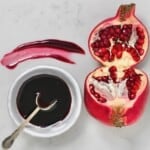
Pomegranate molasses (sometimes called pomegranate syrup) is simply pomegranate juice simmered down until thick and syrupy. The flavor becomes deeper and more concentrated – sweet, tart, and slightly caramelized from reduction.
What you will need
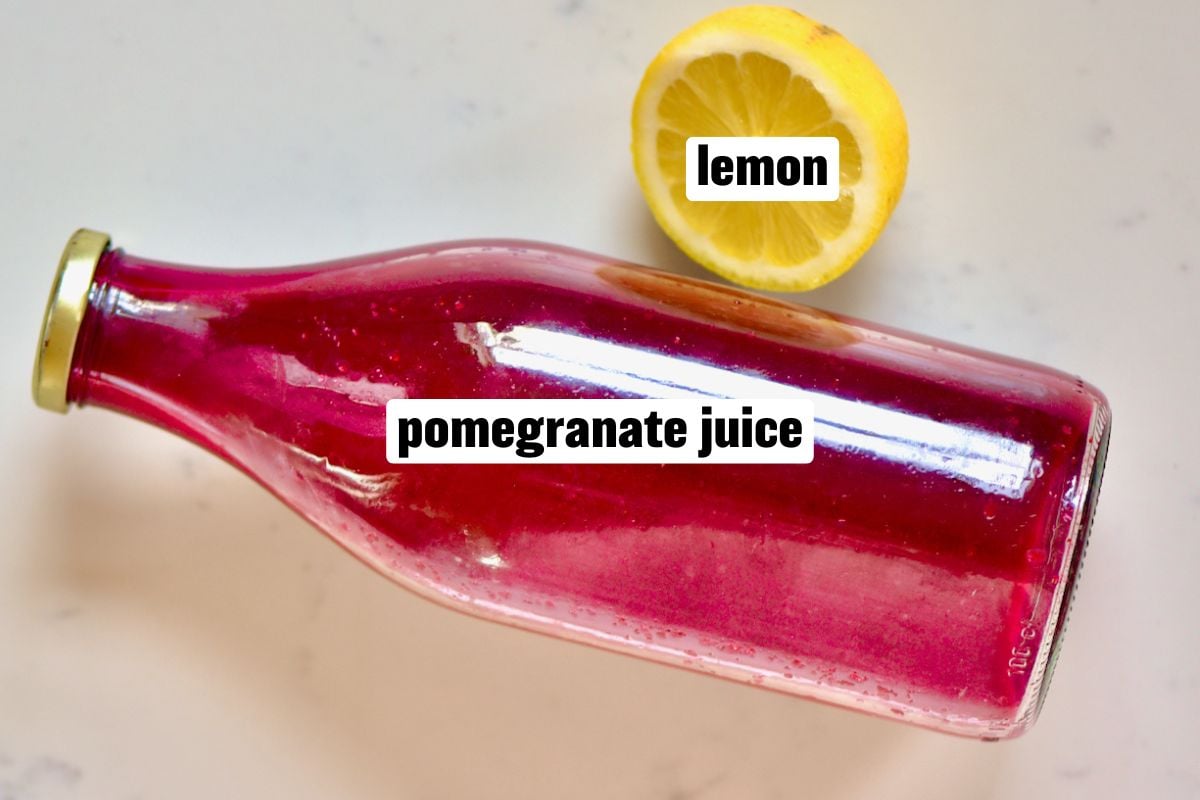
- Pomegranate juice : Store-bought works as long as it’s 100% pure pomegranate juice with no additives. You can also make it at home, following my simple steps for de-seeding and juicing a pomegranate .
- Acidic preservative: You can choose between freshly squeezed lemon juice, bottled lemon juice, or acidic acid.
- Sugar (optional): Use white granulated sugar if you follow the classic (sweetened) method. Skip for the unslweetend method.
I recommend using a wide stainless-steel saucepan or sauté pan . A larger surface area will allow the water to evaporate faster, reducing the simmering time.
See the printable recipe card below for the full ingredients list and quantities.
How to make pomegranate molasses
Pour pomegranate juice into a wide pan.
- For classic: add sugar and stir to dissolve.
- For sugar-free: juice only for now.
Bring to a gentle boil over medium heat until you see steady bubbling.
Reduce to a bare simmer. Lower the heat to a gentle simmer (not a vigorous one). This prevents scorching and helps keep the color vibrant.
Simmer uncovered until reduced. Stir occasionally at first, then more often as it thickens. Scrape down the sides if you see any buildup.
- Classic (sweetened): simmer for about 60–90 minutes.
- Sugar-free (unsweetened): simmer for 90–120 minutes.
Note that time varies by stove and pan width. The pomegranate juice needs to be reduced to about 1/4 of its volume.
Watch the final 10–15 minutes carefully. This is when it thickens quickly. Reduce the heat if needed and stir more frequently so it doesn’t catch on the bottom.
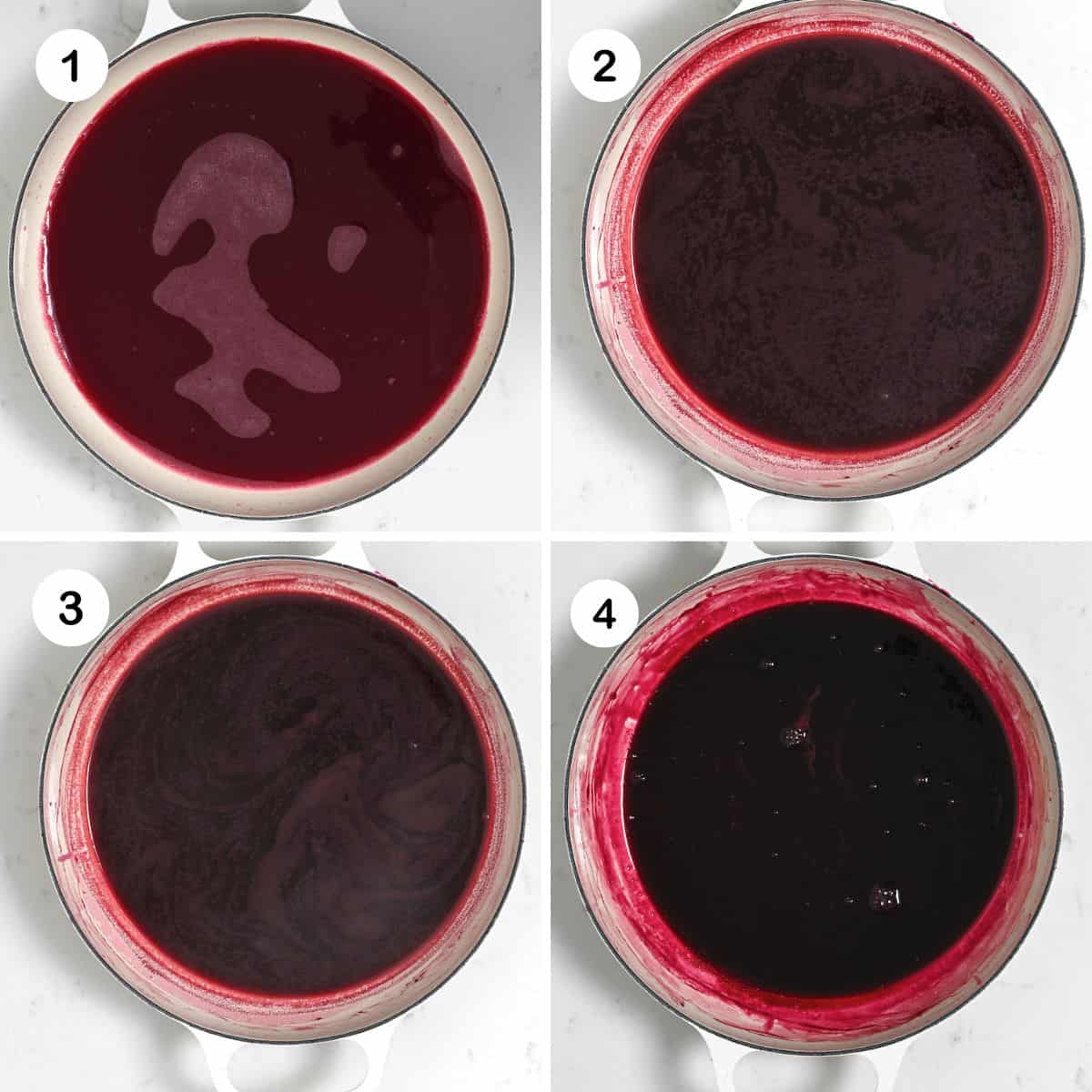
Test for doneness . Once the molasses has thickened, you can do one of these tests:
- Coats-the-spoon: it should coat the back of a spoon rather than drip like juice.
- Line test: swipe your finger through the coating. If the line holds, it’s ready.
Add the acid. Finally, turn off the heat, taste carefully, then add citric acid or lemon juice in small increments, stirring well and tasting between additions.
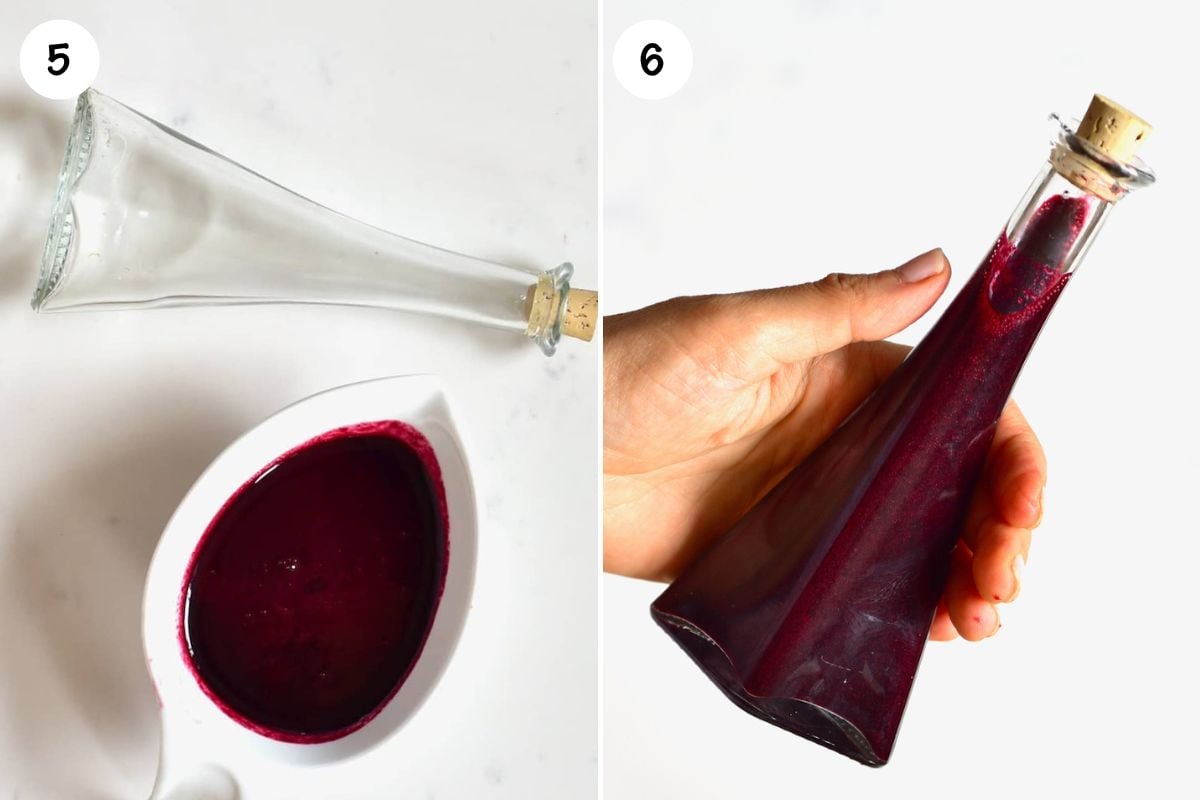
Cool completely, then jar. Let it cool in the pan (it thickens as it cools), then transfer to a clean airtight glass jar or bottle.
Samira’s tips

- Thickness : It will thicken as it cools, and even more in the fridge. Don’t reduce it too far, or it can set very thick when chilled.
- Color : Keep an eye on the color – if it shifts from deep magenta to brown, it’s likely overcooked (lower heat next time).
How to use pomegranate molasses
This is where it shines – use it anywhere you want sweet-tart depth:
- Salad dressings: Whisk with olive oil and salt. Use it in Fattoush Salad or Lentil Salad .
- Marinades: For fish, chicken, lamb, or plant-based alternatives.
- Roasted vegetables and savory pastries: Drizzle over roasted veg, fries, or halloumi fries. Or drizzle some over these Lebanese spinach pies .
- Dips and sauces: Add a dash to dips for depth. It’s great on baba ganoush , muhammara , or eggplant red pepper dip .
- Drinks: Stir a little into sparkling water/tonic or cocktails.
- Sweet uses: drizzle over yogurt, oats, or desserts.
Storage
- In the fridge: Keep in a clean, airtight glass container and store in the refrigerator. Use within up to 3 months .
- Use a clean spoon every time.
- If it thickens too much in the fridge, let it sit at room temperature briefly or warm gently to loosen.
Pomegranate molasses substitures
If you need pomegranate molasses in a pinch, try one of these depending on the dish:
- Balsamic glaze: closest thick sweet-tart feel (start with less).
- Balsamic vinegar + a touch of sweetener: reduce briefly for body.
- Lemon juice + a little sweetener: best for dressings (won’t mimic thickness).
- Cranberry concentrate (diluted): tart fruit intensity in sauces.
If you’re using it in a marinade or dressing, focus on the sweet-tart balance; if you need thickness, choose a glaze-style substitute.
Yes, use 100% pomegranate juice. Bottled is the easiest route and works well.
Yes. It may reduce faster since it can be more concentrated (still keep heat gentle and watch the final minutes).
No. Sugar is for the classic version – more balanced and often quicker. The sugar-free version is bold and tangy.
Because it’s consistent and neutral. It’s easy to measure and adjust without changing the flavor, unlike lemon.
Yes. Follow my step-by-step guide How to Deseed and Juice a Pomegranate .
More homemade surups
Equipment
- Wide saucepan
IngredientsUS CustomaryMetric1x2x3x
- ▢ 4 cups pomegranate juice
- ▢ 1/2 cup sugar only needed for the classic version
- ▢ 1-2 Tablespoons lemon juice fresh or bottled, OR 1/8–1/4 tsp citric acid
This will yield about1cup of molasses
Instructions
- Add pomegranate juice to a wide pan. For the classic version, add sugar and stir to dissolve.
- Bring to a gentle boil over medium heat.
- Reduce the heat to a bare simmer and cook uncovered, stirring occasionally (more often near the end). Reduce until syrupy and about 3/4–1 cup remains. This can take anywhere from 60-90 minutes for the classic version, to 90-120 minutes for the sugar-free version.
- Test doneness: the molasses should coat the back of a spoon, or a finger line should hold.
- Turn off the heat. Stir in citric acid or lemon juice to brighten.
- Cool completely, then transfer to a clean glass jar and refrigerate.
Notes
Nutrition
Nutrition information is automatically calculated, so should only be used as an approximation.
Pomegranate Molasses (2 Ways)
Equipment
- Wide saucepan
Ingredients
- 4 cups pomegranate juice
- 1/2 cup sugar only needed for the classic version
- 1-2 Tablespoons lemon juice fresh or bottled, OR 1/8–1/4 tsp citric acid
This will yield about1cup of molasses
Instructions
- Add pomegranate juice to a wide pan. For the classic version, add sugar and stir to dissolve.
- Bring to a gentle boil over medium heat.
- Reduce the heat to a bare simmer and cook uncovered, stirring occasionally (more often near the end). Reduce until syrupy and about 3/4–1 cup remains. This can take anywhere from 60-90 minutes for the classic version, to 90-120 minutes for the sugar-free version.
- Test doneness: the molasses should coat the back of a spoon, or a finger line should hold.
- Turn off the heat. Stir in citric acid or lemon juice to brighten.
- Cool completely, then transfer to a clean glass jar and refrigerate.
Notes
Nutrition
Recipe on Alphafoodie: https://www.alphafoodie.com/pomegranate-molasses/
